You take your supplements. You're consistent. But are you taking them at the right time?
Most of us treat supplement timing like an afterthought: morning with coffee, evening with dinner, or whenever we remember. But whether you take a supplement with food (fed state) or on an empty stomach (fasted state) can significantly affect absorption, efficacy, and even side effects. And for some supplements, the common advice you've been following might actually be backwards.
Here's what the research says, what actually matters, how to optimise timing without overcomplicating your routine, and what supplements to take for the best results.
The Fed vs Fasted Basics
Your digestive state changes how your body processes nutrients. In a fed state, your gut is actively breaking down food, digestive enzymes are elevated, and blood flow to the intestines increases. In a fasted state, your digestive system is quieter, and certain absorption pathways become more efficient.
The problem? Not all supplements respond the same way.
Fat-soluble supplements (vitamins A, D, E, K, CoQ10, omega-3s) need dietary fat to be absorbed. Taking them on an empty stomach means they're passing through your system largely unused. Yet people do this all the time, then wonder why their vitamin D levels aren't budging.
Water-soluble supplements (B vitamins, vitamin C, magnesium) don't require food for absorption, but they can be harsh on an empty stomach. For some, taking them with a meal reduces nausea and improves tolerance without sacrificing efficacy.
Then there are the grey areas - the supplements where timing might matter more than you think, but the "rules" aren't as straightforward as they seem.
NMN and NAD+ Precursors: The Fasted Debate
NMN (nicotinamide mononucleotide) is one of the most researched NAD+ precursors, and the question of when to take it comes up constantly. The answer: fasted, first thing in the morning.
The reasoning: NAD+ precursors compete with other nutrients, particularly tryptophan, for absorption via the same transport pathways in the gut. In a fasted state, there's less competition, which means better uptake and utilisation by your body.
That’s why research supports fasted dosing for optimal absorption. Taking NAD+ supplements on an empty stomach, ideally 20 to 30 minutes before your first meal, ensures maximum bioavailability and aligns with your body's natural circadian rhythm when NAD+ levels are primed for replenishment.
This isn't flexible timing, it's the protocol that works. If you're taking NAD+ precursors and not seeing results, timing might be the issue.
Collagen: Does Timing Actually Matter?
Collagen is often marketed as "take it anytime," but that's not the full picture.
If you're taking collagen for skin, hair, and joint support, pairing it with vitamin C enhances collagen synthesis. This doesn't mean you need to take them at the exact same moment, but having vitamin C in your system (from food or supplements) supports the biochemical process.
If you're taking collagen for muscle recovery or protein synthesis, a fasted state might improve amino acid uptake. Some research suggests that taking collagen (or any protein) without competing macronutrients allows for more efficient absorption and utilisation by muscle tissue.
Does this mean you need to stress about it? No. But if you're not seeing results after a few months, experimenting with timing might be worth it.
Magnesium: The Evening Myth
Everyone says magnesium is a nighttime supplement. Take it before bed, it'll help you sleep. And for many people, that works.
But magnesium doesn't just "make you sleepy." It supports GABA receptor activity, reduces muscle tension, and regulates the nervous system, all things that benefit you throughout the day, not just at night.
If you're taking magnesium purely for sleep, evening dosing makes sense. But if you're using it to manage stress, muscle tightness, or general tension, splitting your dose (half in the morning, half at night) might give you more sustained benefit.
The form matters too. Magnesium bisglycinate, which is highly absorbable and gentle on the stomach, doesn't require food and can be taken at any time. Magnesium citrate, on the other hand, has a mild laxative effect and is better taken with food to avoid digestive upset.
Nootropics: Acute Spike vs Sustained Release
Nootropics like L-theanine, adaptogens, or cognitive-supporting compounds often work differently depending on whether you take them fasted or fed.
Fasted dosing tends to produce a sharper, more immediate effect. You'll feel the cognitive lift faster, but it may taper off sooner. Taking nootropics with food can blunt the immediate impact but provide a steadier, longer-lasting effect.
Which is better? It depends on your goal. If you need acute focus for a specific task (deep work session, presentation, problem-solving), fasted might serve you better. If you want baseline cognitive support throughout the day, fed might offer more stability.
Again, this isn't about perfection, it's about knowing what levers you can pull if something isn't working.
So, What Should You Actually Do?
Here's the practical breakdown:
Fat-soluble supplements (vitamin D, CoQ10, omega-3s): Take with food that contains fat. Always.
Water-soluble supplements (B vitamins, vitamin C): Flexible. Fasted is fine if you tolerate it, but fed works too.
Competing nutrients (iron + calcium, zinc + copper): Space them out by a few hours if you're taking high doses.
NMN/NAD+ precursors: Start fasted (20-30 min before eating). If it causes discomfort, switch to fed. Consistency matters more than perfection.
Collagen: Pair with vitamin C for synthesis. Fasted might improve uptake, but fed is fine if it's easier to stick with.
Magnesium: Evening for sleep. Split dose (morning + evening) for all-day stress and muscle support.
Nootropics: Fasted for acute focus, fed for sustained baseline support.
The real key? Experiment. Track how you feel over a few weeks. If something isn't working, timing might be the variable you're missing.
Product Spotlight: Ageless NMN
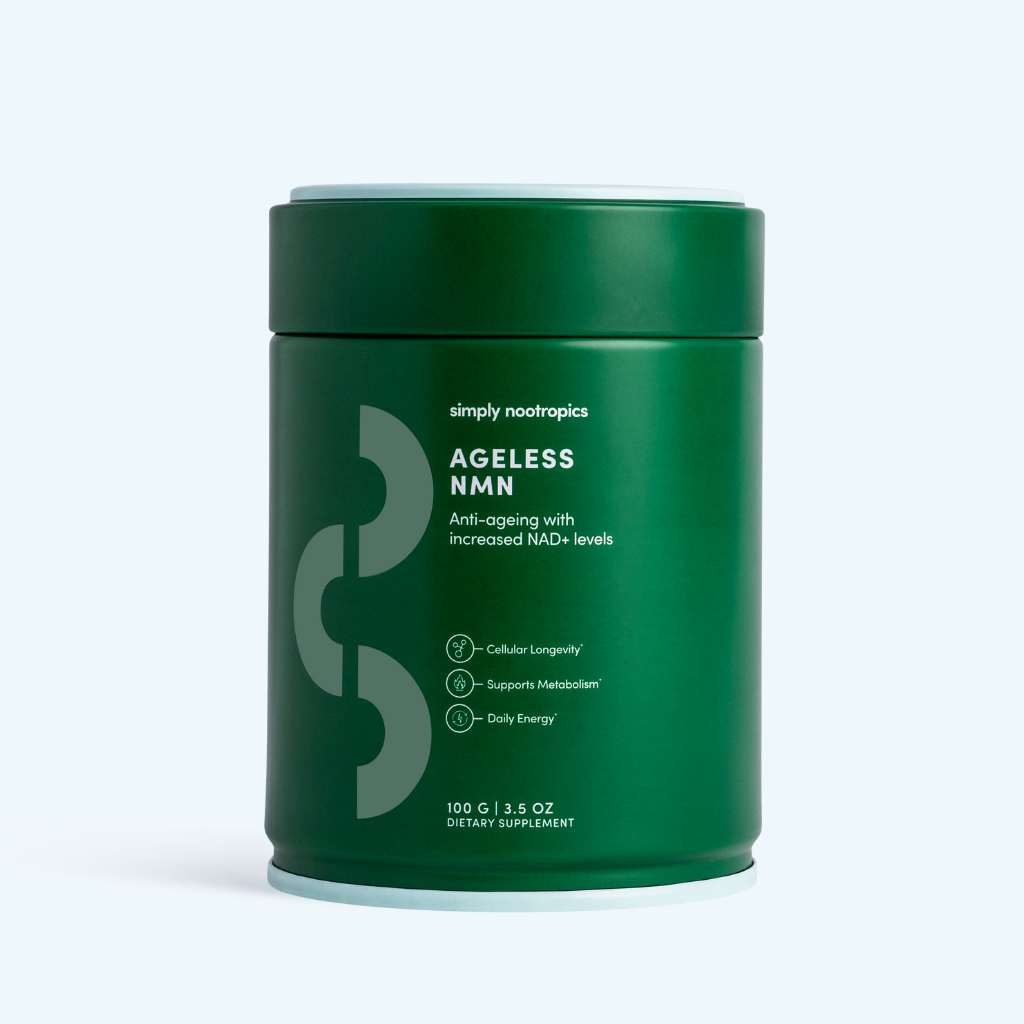
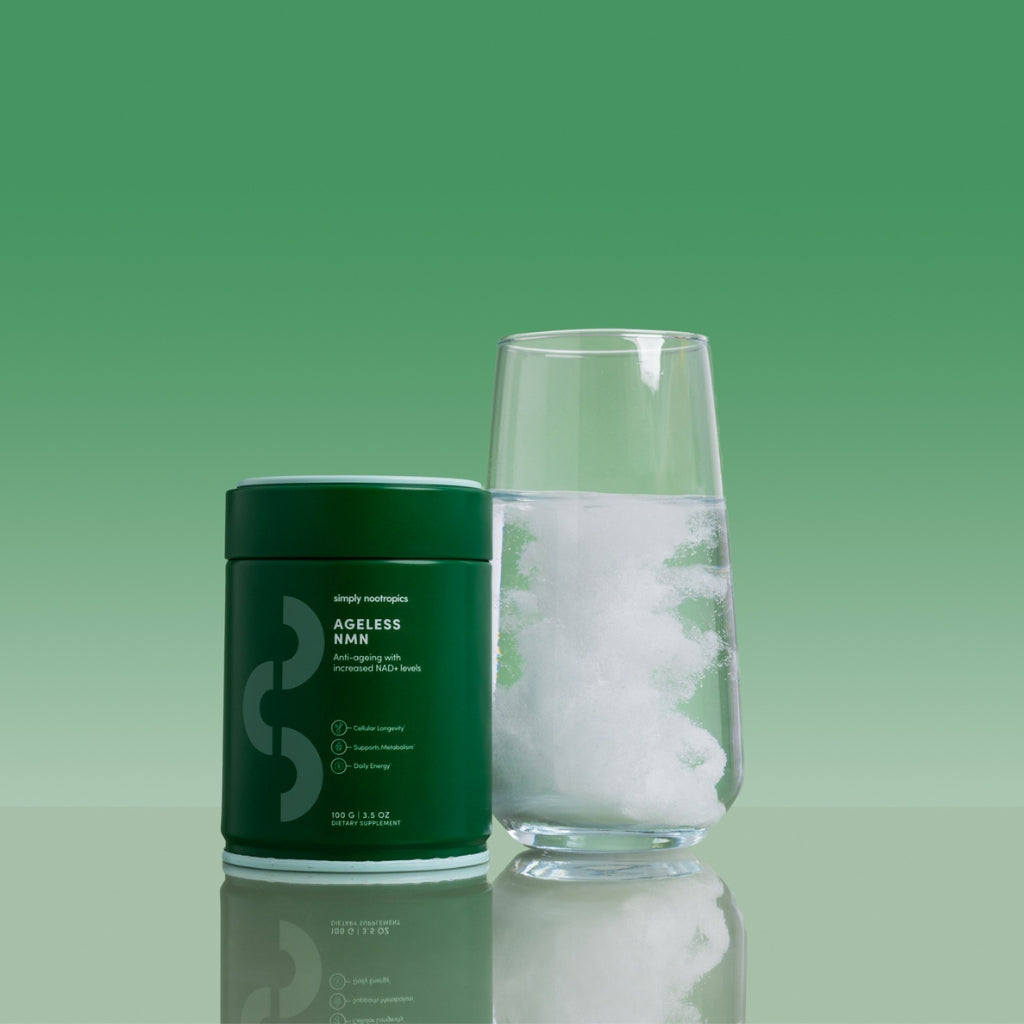
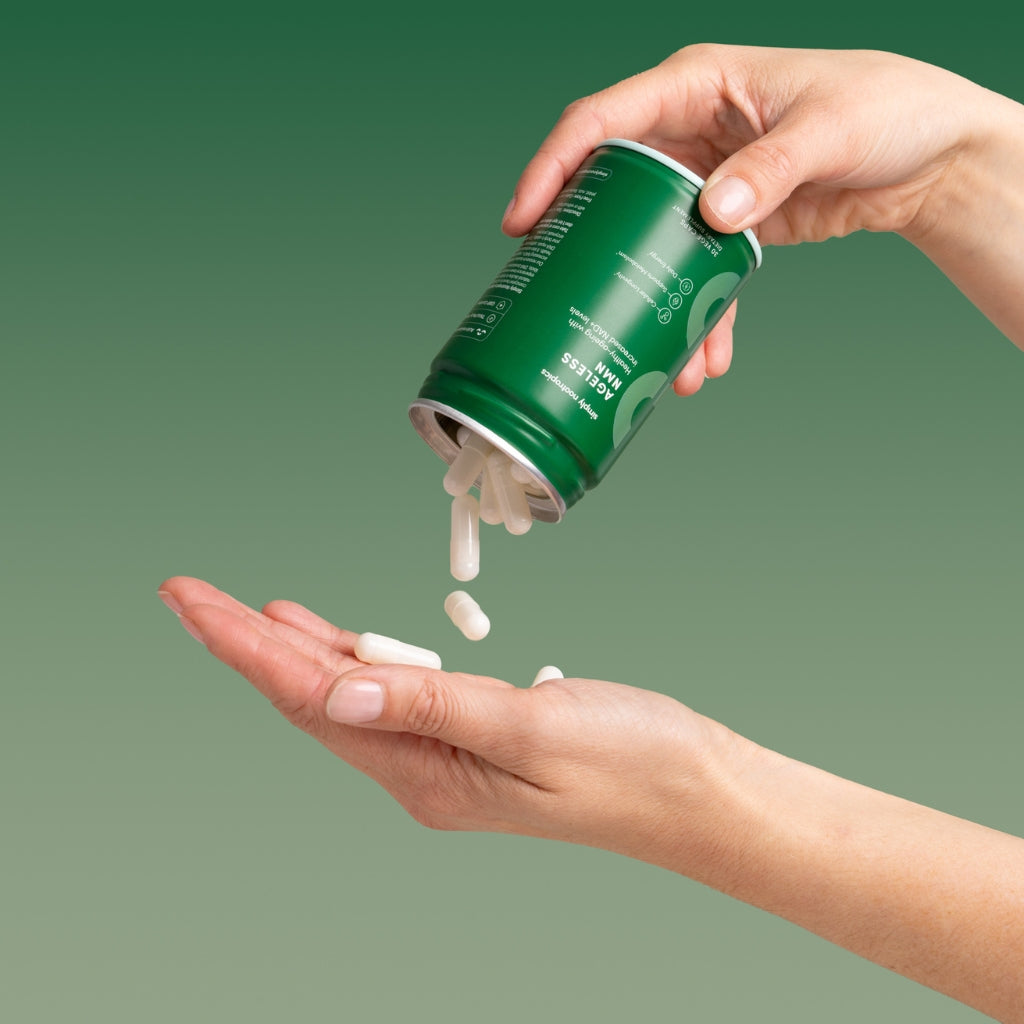
When it comes to NAD+ support, timing matters, and as we saw, Ageless NMN works best on an empty stomach. This allows for optimal uptake and aligns with your body's natural circadian rhythm, when NAD+ levels are primed for replenishment.
Ageless NMN delivers 500mg of pure, third-party tested NMN per serve, supporting cellular energy, mitochondrial function, and healthy ageing from the inside out. No fillers, no unnecessary additives, just clean, science-backed NAD+ support.