Every year on April 22, Earth Day draws attention to the health of the planet - the forests, the oceans, the soil. What rarely gets mentioned is how closely the health of the earth mirrors the health of the body. Specifically, what's happening beneath the surface of both.
The soil under a healthy forest contains billions of microorganisms - bacteria, fungi, archaea - working in complex, interdependent communities to break down nutrients, protect against pathogens, and sustain the ecosystem above them. Your gut does something remarkably similar. Trillions of microorganisms line your intestinal tract, regulating digestion, immunity, inflammation, and even mood.
The connection isn't just metaphorical. Research increasingly suggests that the two systems are linked, and that the declining biodiversity of the natural world may be one reason so many people are struggling with gut health today.
What soil and gut have in common
Healthy soil is defined by its microbial diversity. A teaspoon of thriving forest soil contains more microorganisms than there are people on earth. That diversity is what makes soil resilient: different species perform different functions, and the system as a whole becomes harder to disrupt when it contains many rather than a few dominant ones.
The same principle applies to your gut microbiome. A diverse gut, one with a wide variety of bacterial species, is associated with better metabolic health, stronger immune function, lower levels of systemic inflammation, and reduced risk of chronic disease. A less diverse gut, dominated by a handful of species, is associated with the opposite: increased intestinal permeability, inflammation, and vulnerability to disease.
Both systems are under pressure from the modern world. Industrial agriculture has reduced soil biodiversity dramatically: monoculture farming, pesticide use, and topsoil depletion have stripped many agricultural soils of the microbial complexity they once had. Meanwhile, modern diets, antibiotic overuse, chronic stress, and reduced exposure to natural environments have done something similar to the human gut.
The parallel isn't coincidental. We evolved in close contact with soil, eating food grown in it, walking barefoot on it, breathing air shaped by it. That contact was a constant source of microbial exposure that helped seed and sustain gut diversity. As that contact has diminished, so has something in us.
How the outside world shapes what's inside you
Spending time in nature exposes you to a wider range of environmental microorganisms than spending time indoors. Research into the hygiene hypothesis and its successor, the old friends hypothesis, suggests that reduced exposure to environmental microbes is one driver of rising rates of autoimmune and inflammatory conditions. Our immune systems evolved to be educated by microbial diversity. Without it, they can become dysregulated.
Eating food grown in biodiverse soil also matters. Industrially farmed produce, grown in depleted soil with synthetic fertilisers, delivers fewer of the trace minerals, polyphenols, and fermentable fibres that feed beneficial gut bacteria. Organically grown and regeneratively farmed food tends to carry more microbial complexity, and the plants themselves tend to be more nutrient-dense as a result of healthier soil.
What you eat shapes your microbiome more directly than almost anything else. Diverse plant intake - a wide variety of vegetables, legumes, whole grains, and fermented foods - feeds a wider range of bacterial species and promotes the kind of microbial richness associated with good health. Ultra-processed foods do the opposite, selectively feeding a narrow range of species while starving others out.
The picture that emerges is consistent: biodiversity outside and biodiversity inside are not separate concerns. They influence each other, and both are worth protecting.
NMN and the gut microbiome
NMN is best known as a precursor to NAD+, the coenzyme that declines with age and underpins cellular energy, DNA repair, and longevity. But emerging research suggests its influence extends to the gut, and specifically to the microbiome.
A 2021 study examined the effects of long-term NMN supplementation on gut microbiota. The results were notable. NMN increased the abundance of beneficial bacteria, including Akkermansia muciniphila and butyrate-producing species like Ruminococcaceae, while decreasing the abundance of harmful bacteria including Bilophila and Oscillibacter. At the same time, NMN reduced the abundance of Desulfovibrionaceae, bacteria associated with endotoxin production and inflammation.
Beyond microbial composition, the study found that NMN strengthened the gut's physical barrier. The number of goblet cells increased, as did mucus thickness, both markers of a healthier gut lining. NMN also promoted autophagy in intestinal cells, a cellular cleaning process that supports barrier integrity.
These findings suggest that NMN doesn't just support cellular energy at the systemic level, it may actively support the microbial and structural health of the gut itself.
Protecting both kinds of biodiversity
Earth Day is a useful moment to think about biodiversity not just as an environmental issue but as a personal health one. The health of the soil, the diversity of the food system, the time we spend in natural environments — these aren't separate from our own biology. They feed into it, literally and microbiologically.
Supporting your gut microbiome is a form of tending to your own internal ecosystem. Eat a wide variety of plants. Spend time outside. Minimise unnecessary antibiotic use. Prioritise fermented foods. And consider the emerging evidence that NMN - through its influence on NAD+ and its effects on the gut microbiome - may be one of the more substantive tools available for supporting that internal biodiversity as you age.
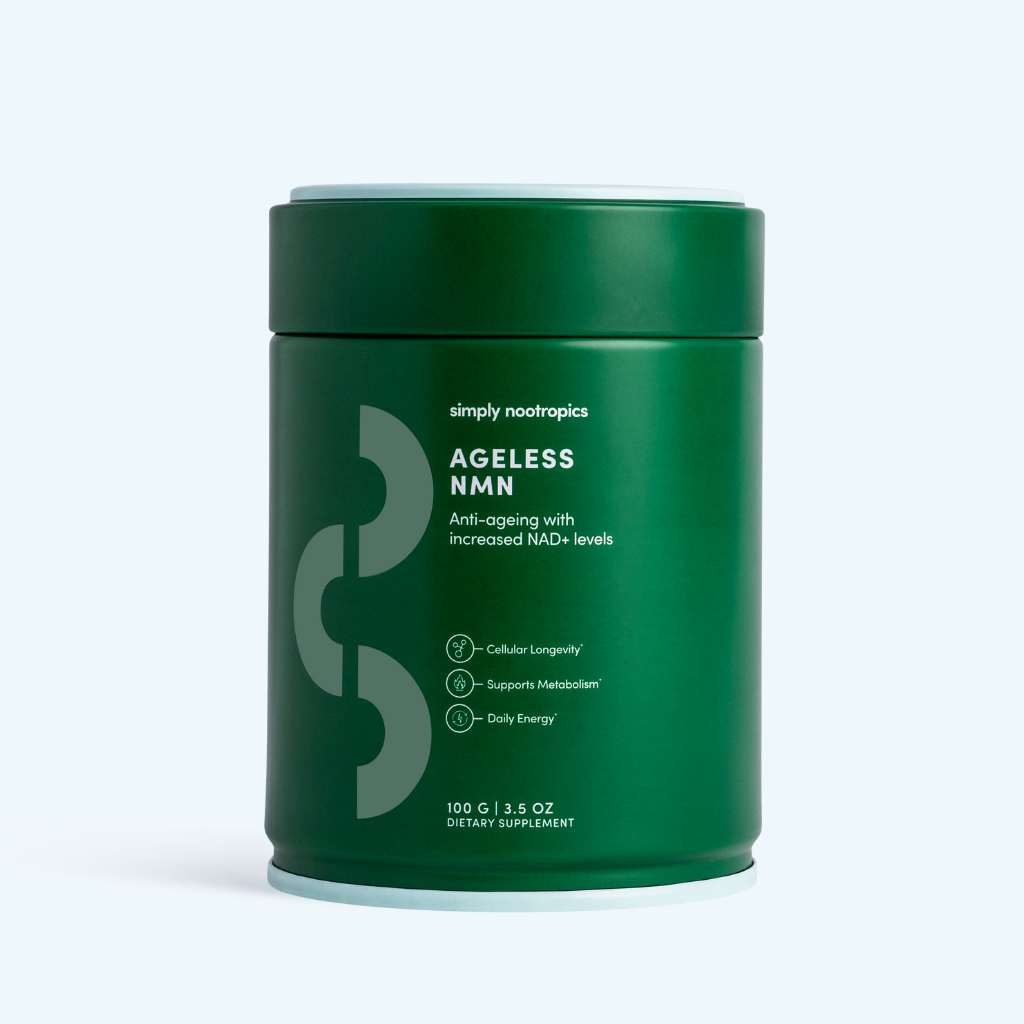
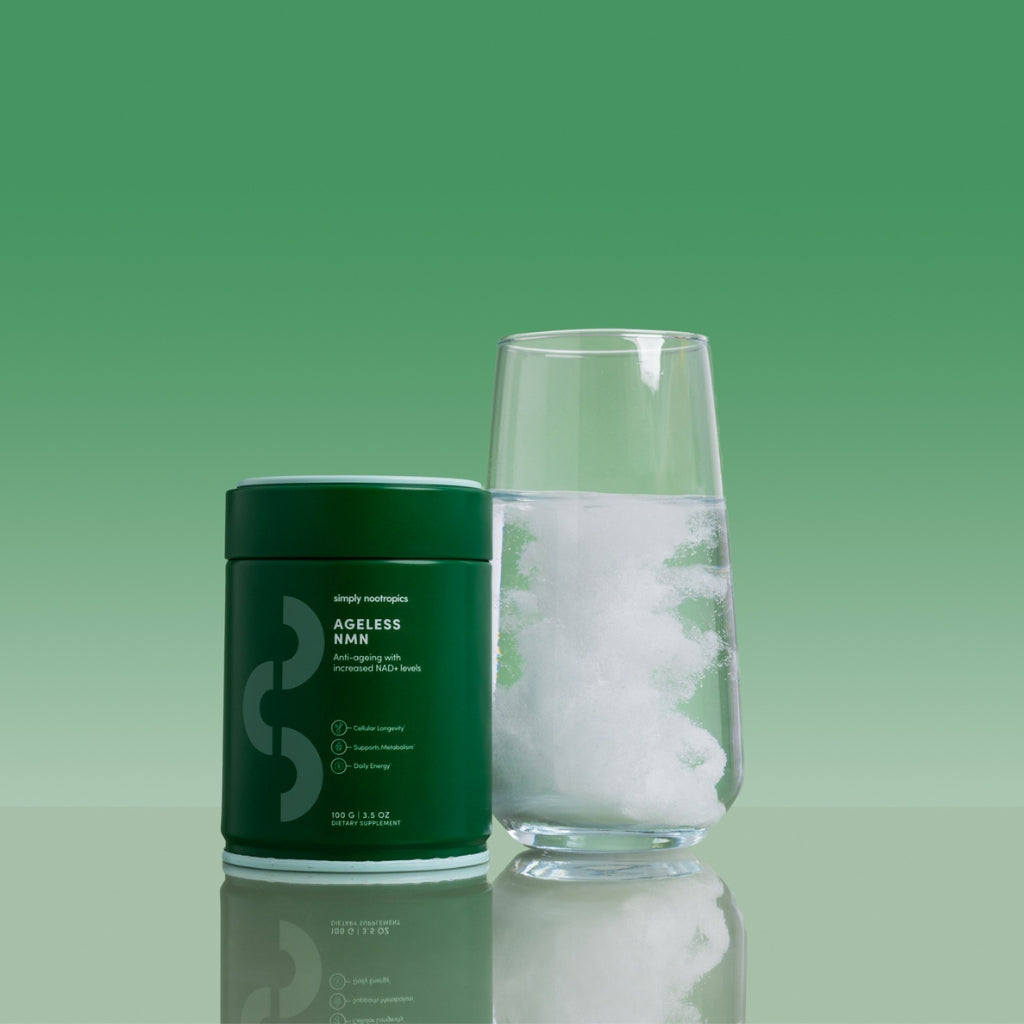
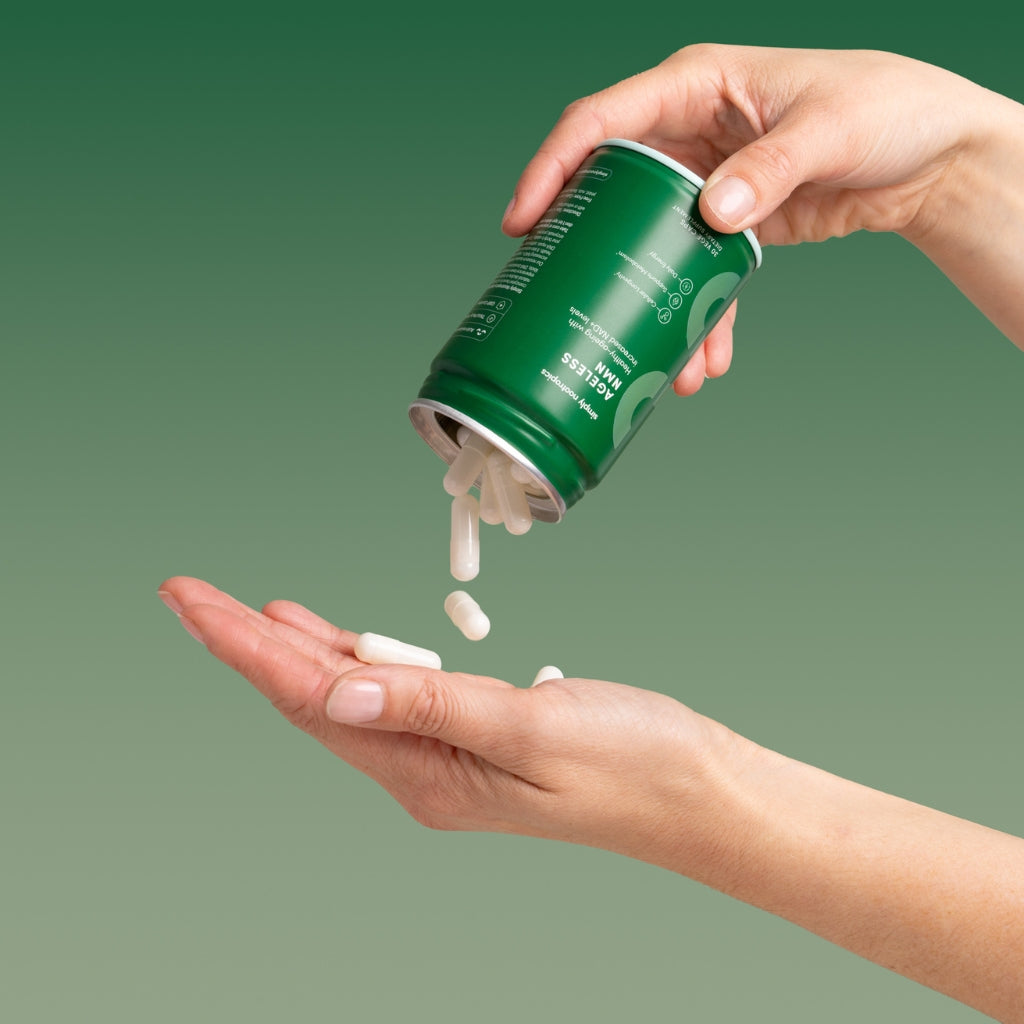
Ageless NMN is Simply Nootropics' hero product for a reason. Each serving delivers pure NMN to support NAD+ levels that decline with age, and as the research above suggests, its benefits may extend further than cellular energy alone. If you're looking to support your body from the inside out, Ageless NMN is a strong place to start.