Every day, millions of us rely on smartphones, apps, and search engines to remember information for us. Birthdays, directions, recipes, facts, phone numbers, appointments, technology now acts as a second memory. But if we outsource our memory to digital tools, does it affect how our brains age?
Some argue that constant reliance on technology may weaken memory over time. Others believe it helps us stop ageing mentally by reducing cognitive strain. The truth is far more nuanced and more optimistic than many people assume.
We Rely on Technology for More Than We Realise
Instead of memorising routes or phone numbers, we simply search or tap. This behaviour, known as digital offloading, has dramatically changed how modern brains process information. Surprisingly, this shift is not inherently harmful. Many researchers suggest that outsourcing small pieces of information frees up mental capacity for creativity, reasoning, and problem-solving, all essential qualities for active ageing.
It all depends on how we use digital tools. When technology supports us without replacing all forms of thinking, it becomes a valuable aid. It helps us stay engaged with new information, explore new ideas, and remain mentally flexible at any stage of life.
The Ageing Brain Adapts to Technological Change
The human brain is not static. It reshapes its connections throughout life, learning new skills and adapting to new environments. This means the ageing brain does not simply lose ability; it adjusts.
Regular exposure to digital tools makes the brain more efficient at scanning, searching, filtering and organising information. It doesn’t mean memory becomes weaker; it means memory becomes strategic. Instead of storing unnecessary details, the brain focuses on deep, meaningful content.
Older adults who embrace technology often show higher confidence in learning and stronger problem-solving skills. Digital environments challenge the brain in new ways, keeping neural pathways engaged.
Cognitive Overload, Not Technology, Affects Focus
Rapid switching between tabs, apps, notifications and high-speed content overwhelms the brain’s ability to focus. This pattern doesn’t point to age-related decline; it’s a natural response to information fatigue.
The healthier approach is not to avoid technology, but to use it intentionally. Short breaks, periods of focused work, and moments of offline time help prevent overload while keeping the brain sharp.
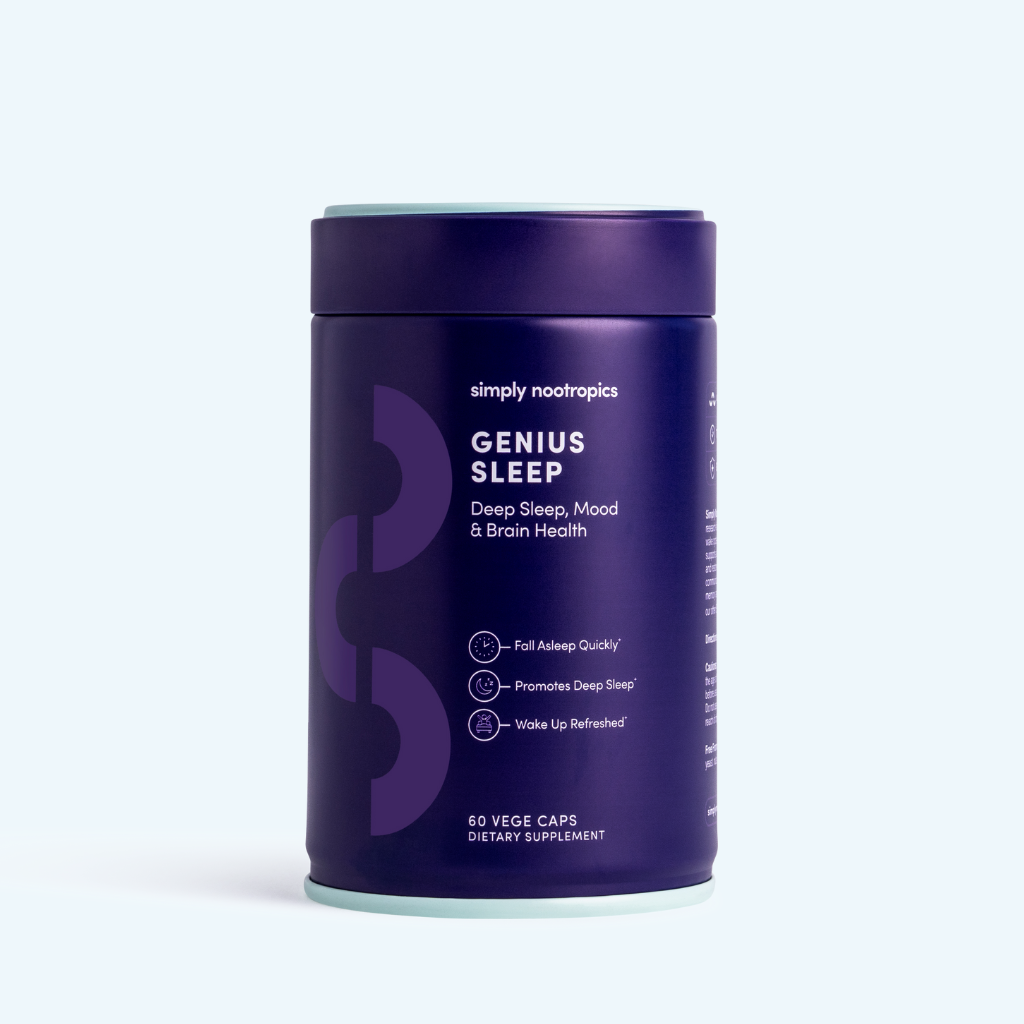
Also, supporting mental stamina and attention can provide a clear cognitive benefit, especially for anyone who spends long hours in a digital environment. This is why many people choose the best cognitive supplements to enhance clarity, memory, and focus. These products can support mental performance in a world where cognitive load is higher than ever. Combining supplementation with good lifestyle habits can help the brain feel steadier and more resilient.
Memory Outsourcing Isn’t New, It’s Just Evolving
Humans have always outsourced information. We wrote on stone tablets, kept diaries, built libraries, and relied on maps and calculators. Digital tools are simply the newest version of an old behaviour.
The difference today is speed. Information comes quickly, and the brain must filter more than ever before. Outsourcing isn’t the problem; mindless reliance is. When used thoughtfully, digital memory expands what we’re capable of without weakening our cognitive foundation.
Your Brain Can Still Grow and Strengthen at Any Age
One of the most reassuring findings in modern neuroscience is that the brain remains adaptable throughout life. You can still form new neural pathways, learn new skills, and strengthen cognitive resilience for active ageing, even in later decades.
Challenges such as learning languages, reading deeply, practising creative hobbies, or solving complex problems activate these pathways and keep them strong.
Digital tools become harmful only when they replace meaningful mental engagement. But if you use them while still challenging yourself in small ways daily, your brain continues to grow and adapt.
Simple Daily Habits Strengthen Memory in the Digital Era
You don’t need drastic lifestyle changes to support healthy cognition for active ageing. Small habits practised consistently make a powerful difference:
-
Try recalling a fact before searching for it
-
Read books or long-form content, not only short posts
-
Learn a skill that challenges precision or creativity
-
Use screen-free breaks throughout the day
-
Keep a small notebook for ideas or to-do lists
-
Engage socially - conversation exercises memory naturally
-
Prioritise deep, consistent sleep for nightly restoration
These small habits help counterbalance digital overload and support long-term mental clarity.
Technology Can Support a Healthy Ageing Brain
Despite concerns, digital tools can actually enhance mental health and brain resilience:
-
Video calls maintain social engagement
-
Educational videos stimulate curiosity
-
Digital planners reduce stress
-
Learning apps encourage consistency
-
Online communities promote human connection
Technology itself isn’t the issue. What matters is using it with intention, not passively. When you choose complexity over mindless scrolling, you support active ageing and mental vitality.
The Real Challenge Is Cognitive Load, Not Google
It’s not that Google makes us forgetful; it’s that modern life keeps the brain busy from morning to night. Notifications, messages, decisions, multitasking, and high-speed information create constant mental demands.
Supporting your memory, attention, and overall mental clarity becomes a proactive choice for active ageing. Many individuals find that routines, movement, sleep, nutrition, and the best cognitive supplements work together to help the brain stay clear and energetic.
Healthy Ageing Starts With Mental Strength
The conversation about ageing often focuses on physical changes. But cognitive resilience, how well your brain adapts, remembers, and focuses, is just as important for long-term wellbeing.
Healthy habits, intentional technology use, and the proper nutritional support strongly influence how the ageing brain performs over time. Ageing doesn’t have to mean decline. It can mean greater perspective, stronger decision-making, and deeper mental flexibility, especially when proactively supported.
Support Your Cognitive Resilience with Essential Plus
Daily exposure to a digital environment places sustained demands on attention, working memory, and mental stamina. If you're looking to support these functions long-term, Essential Plus provides a structured blend of ingredients to help maintain cognitive performance.
The formulation includes targeted nootropics known for supporting clarity, recall, and overall cognitive performance. Used consistently, these compounds can provide a meaningful cognitive benefit, helping with concentration, information processing, and maintaining mental organisation throughout the day.
As digital memory outsourcing shifts how we store and access information, maintaining foundational cognitive resilience becomes increasingly important. Supporting these processes can help the brain remain adaptable, balanced, and efficient in high-input environments.
Essential Plus offers a practical way to reinforce day-to-day cognitive function and support long-term brain health in a modern, digitally intensive world.