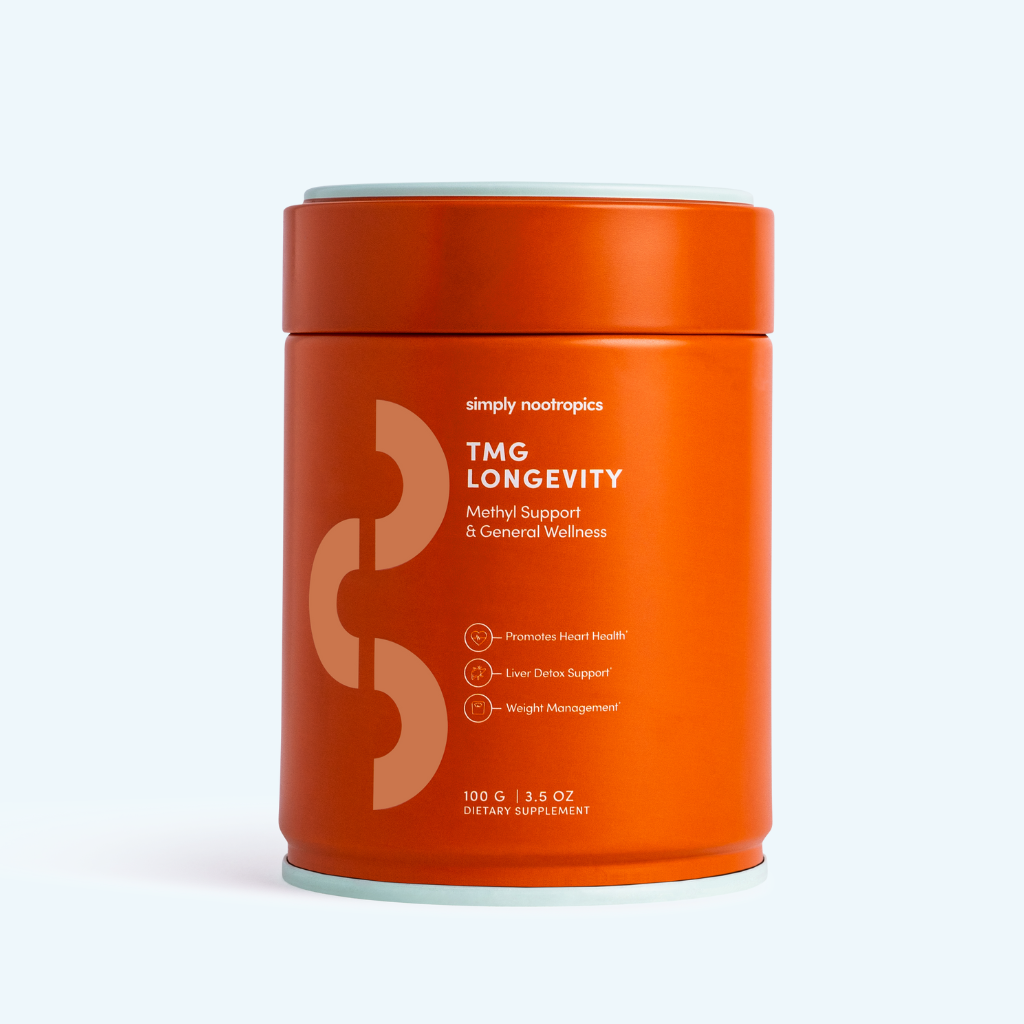
Welcome back to Longevity News, your weekly roundup of the most interesting research shaping how we age, think, and live well. This week, we’re looking at how the languages you speak may influence your biological age, why episodic memory matters more than you realise, how mealtimes impact healthy ageing, and what happens to your daily movement when you relocate to a more walkable city. Plus, a product spotlight on one of our favourite tools for supporting long-term vitality.
-
Multilingualism Is Associated With Delayed Ageing
The languages you speak may do more than help you communicate; they may also influence how your body ages. A new analysis covering 86,000 adults from 27 European countries found that people who use multiple languages tend to show slower biological ageing than those who speak only one.
Rather than relying on simple cognitive tests, the researchers used the biobehavioral age gap (BAG), a more advanced measure that compares your predicted biological age with your actual age. A lower score indicates slower ageing, and multilingual speakers consistently scored better.
The trend was clear: bilinguals saw some benefits, but the effect strengthened with each additional language. Trilinguals and polyglots showed the lowest risk of accelerated ageing, suggesting a dose-dependent advantage. One interesting detail: the benefit of speaking just one extra language decreased with age, while speaking two or more languages remained protective even for older adults.
To ensure accuracy, the researchers adjusted for lifestyle, economic, and social factors across all countries involved. The multilingualism effect remained significant, though it was slightly reduced in settings with high immigration-related stress or lower gender equality, conditions known to influence cognitive health.
While the study doesn’t prove that languages directly slow ageing, it offers some of the strongest evidence yet that regularly using multiple languages supports healthier cognitive and physical ageing. It suggests that multilingualism may be a meaningful lifestyle factor, similar to continuous learning, social engagement, or physical activity, that helps protect the brain and body from age-related decline.
-
What Is Episodic Memory?
The ability to recall what you ate for breakfast, the details of your first day of school, or the conversation you had last week is called episodic memory. It’s one of the brain’s most fascinating tools, giving you a sense of time, place, and personal experience.
Episodic memory is different from semantic memory, which is your knowledge of general facts. Knowing that Paris is the capital of France is semantic; remembering who you were with when you first visited Paris is episodic. Other memory types also support daily life, including emotional memory, procedural memory (like knowing how to ride a bike), and short-term working memory.
Your brain uses several regions to create episodic memories. The hippocampus helps store and organise events, the parahippocampal region provides context, the amygdala adds emotional weight, and the prefrontal cortex enables you to retrieve memories when you need them. Together, they allow you to form, store, and recall personal experiences with impressive detail.
Episodic memory can be influenced by stress, trauma, or certain neurological conditions, especially those that affect the brain’s communication pathways. Strong emotions may make some memories vivid, while overwhelming stress can make others harder to retrieve.
The good news? Episodic memory can be strengthened. Regular movement, mindfulness, deliberate recall, memory tools, note-taking, nutrient-rich foods, and consistent sleep all support the brain regions involved in forming lasting memories.
Episodic memory is your life story, one moment at a time, and caring for it helps keep that story clear and connected.
-
Why Sharing Meals Can Benefit Older Adults
Older adults who frequently eat alone may be at higher risk of poor nutrition, weight loss, and frailty.
Across most international studies involving more than 80,000 adults aged 65 and older who live independently, a consistent pattern emerged: older adults who eat by themselves tend to consume fewer fruits, vegetables, and protein-rich foods, resulting in lower overall diet quality. Protein intake is essential for maintaining muscle strength and physical function, making this decline concerning. Eating alone was also linked with unintentional weight loss and a greater risk of frailty, two key markers of declining health in older age.
Lead researcher Caitlin Wyman explains that food is not just nutrition; mealtimes also provide social connection, stimulation, and routine. Loneliness and isolation can reduce appetite and enjoyment of eating, which may contribute to poorer nutritional status.
The findings highlight mealtime habits as a potentially modifiable risk factor. Encouraging shared meals may help improve appetite, nutrient intake, and overall well-being. The researchers suggest that healthcare and aged-care providers should screen for mealtime behaviours and refer older adults to social dining programs that could support healthier eating.
-
Moving to a More Walkable City Increases Step Count
Moving to a more walkable city can significantly increase how much people walk each day.
A new study analysed 248,000 days of minute-by-minute step data collected from over 5,400 adults using a smartphone app. These individuals relocated between 1,609 U.S. cities. By tracking their activity for 90 days before and after each move, the researchers conducted a real-world "natural experiment."
The results were clear: relocating to a more walkable city consistently boosted daily step counts, while moving to a less walkable area led to a drop. On average, people gained about 1,100 steps per day when moving to a city with a much higher walkability score.
For example, people who moved to New York City increased their daily steps from 5,600 to about 7,000. Importantly, most of these extra steps came from moderate-to-vigorous physical activity, mainly brisk walking, which is strongly linked to lower risks of various diseases.
The study also found that these changes were not due to personal motivation or people choosing cities based on walkability. Instead, the built environment itself directly influenced activity levels. The findings show that walkable cities can naturally encourage healthier habits and that investing in pedestrian-friendly infrastructure could meaningfully improve public health.
Product Spotlight
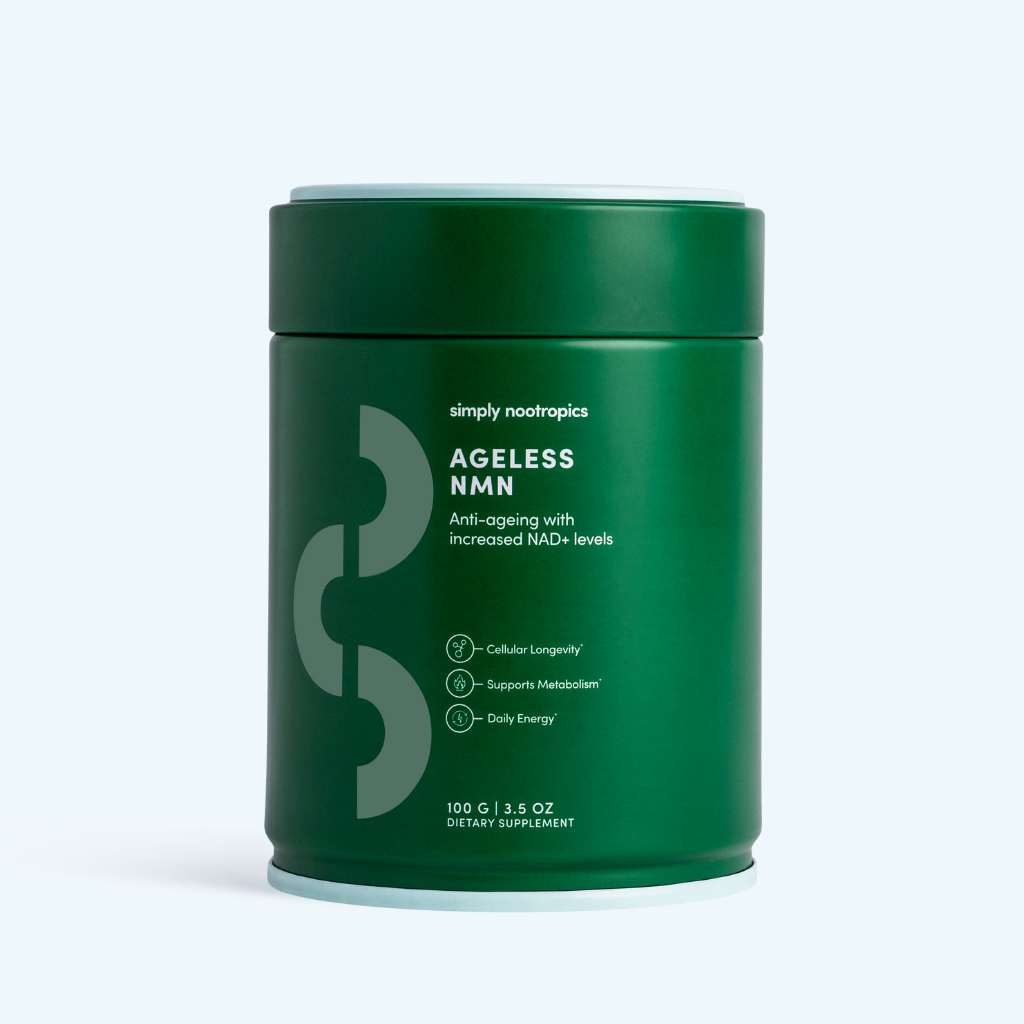
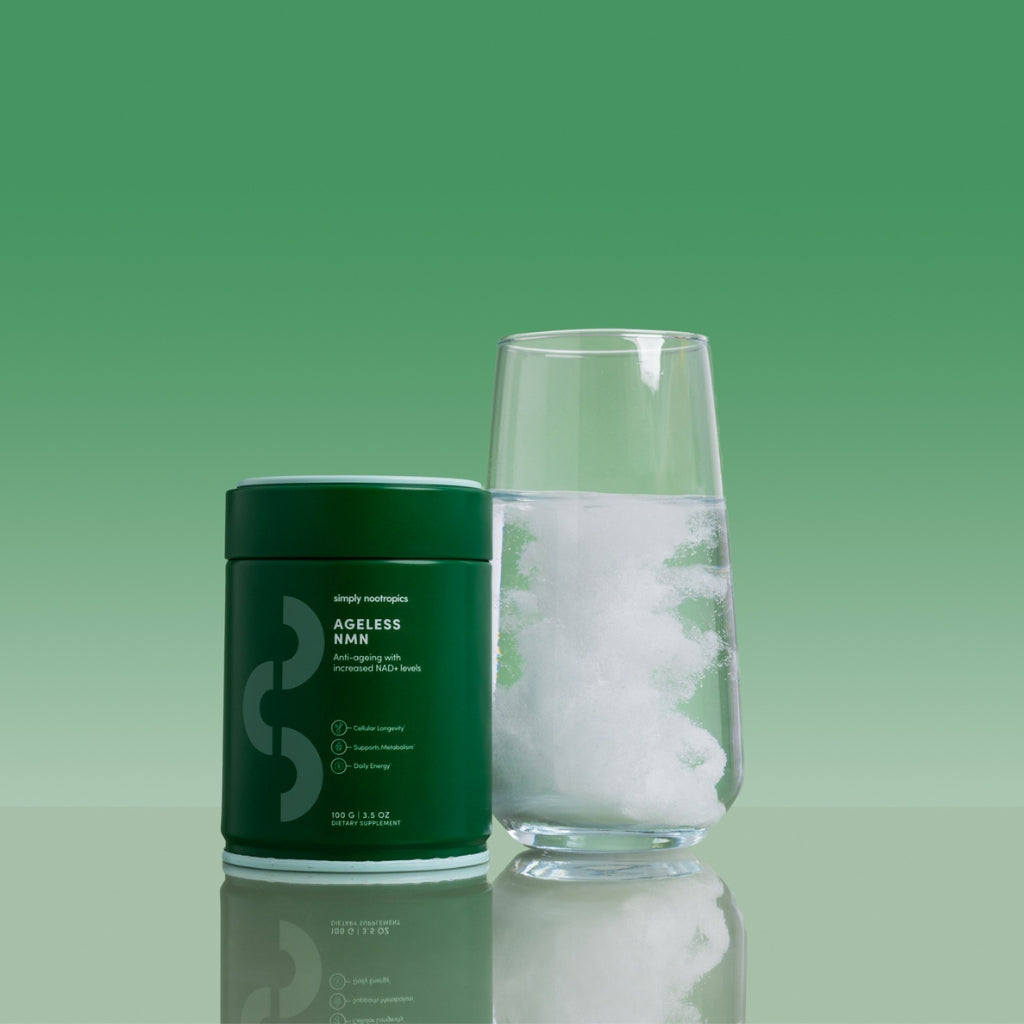
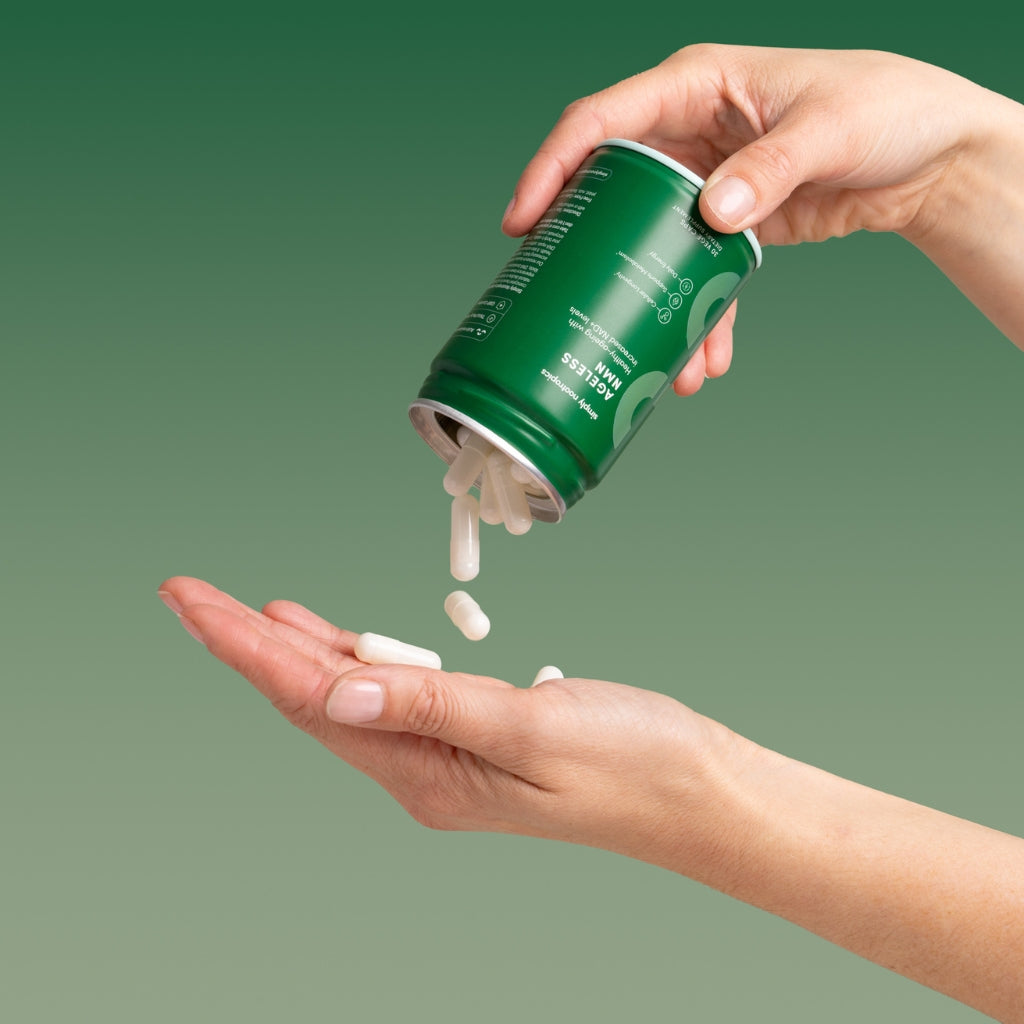
Ageless NMN is a science-backed supplement designed to support healthy ageing at the cellular level. By boosting NAD⁺, a molecule essential for energy, repair, and longevity pathways, it helps maintain vitality, cognitive clarity, and metabolic resilience.
This aligns closely with the research in this week’s articles: movement, walkability, social connection, memory health, and lifelong learning all influence how we age. Ageless NMN provides targeted support alongside these lifestyle factors, helping you stay energised, cognitively sharp, and active as you age.